
"produced in Ethiopia"
10000 article(s) found

Ethiopia Lim G2 Washed Region Introduction Flavor Features
Ethiopia Washed Limu G2 Country of Origin: Ethiopia Region of Origin: Limu Region Variety: Heirloom Producer: Limu Region Local Coffee Smallholder Elevation: 1850 - 1900 m Grade: Washed G2 Harvest Period: October to February Soil: Variable
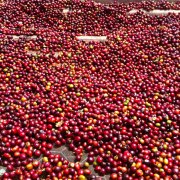
Description of Lion King Flavor and aroma in G1 Valley producing area of Sidamo, Ethiopia
Professional baristas exchange please follow the coffee workshop (Wechat official account cafe_style) Ethiopia washed Sidamo G1 Lion King Guji producing area (Ethiopia Sidamo Lion King Washed G1) flavor description: strong lemon and sweet citrus, jasmine, orange, mild, clean and balanced full-bodied fruit sweet, mild, clean and balanced, with a typical Cedar

Coffee bean producing areas-Africa-Ethiopia (Ethiopia)
Well-known representative coffee: Mocha Harra, Yirgacheffe Essex across the Red Sea and Yemen, is the first place in the world to find coffee trees in Arabica, and coffee is grown almost everywhere in the country. Among them, the eastern Highland Hara (Harra) produces the famous Halamoka, which has a special wine aroma and acidity, and a Yemeni mocha.
Coffee producing area Coffee introduction to Ethiopia (Ethiopia)
The birthplace of coffee-the Ethiopian coffee tree originated from Ethiopia (Ethiopia), it was originally a wild plant here, and the name coffee comes from the Ethiopian town of Kaffa. In fact, many coffee trees in Ethiopia are still wild plants, and the coffee grown on this coffee tree is full-grained and slightly alcoholic. Humans may have been around as early as the 9th century

Coffee producing country Ethiopia (Ethiopia)
The birthplace of coffee-Ethiopia. The coffee tree originated in Ethiopia, which was originally a wild plant here, and the name coffee comes from the Ethiopian town of Kaffa. In fact, many coffee trees in Ethiopia are still wild plants, and the coffee grown on this coffee tree is full-grained and slightly alcoholic. Humans may have lived as early as the 9th century

Where is Ethiopia's best coffee produced? where does Yega Xuefei belong to? where does it come from?
Professional coffee knowledge exchange more coffee bean information please follow Coffee Workshop (Wechat official account cafe_style) Front Street-Ethiopia Yega Sheffei production area introduction Ethiopia, as the natural habitat and birthplace of wild Arabica coffee, is the world's largest coffee gene pool. Since ancient times, the complex history of planting and processing in Ethiopia has ignored political boundaries.

Introduction of Ted Manor in the Sidamo producing area of Ethiopia in the tropical forest at an altitude of 1600m to 1800m.
Ethiopia (Ethiopia, Ethiopia), latitude 6 to 9 degrees north. Tropical forests ranging from 34 to 40 degrees east longitude, 1600 to 1800 m above sea level. Ethiopia produces between 200000 and 250000 tons of coffee each year. Today, Ethiopia has become one of the largest coffee producers in the world, ranking 14th in the world and fourth in Africa. Essene
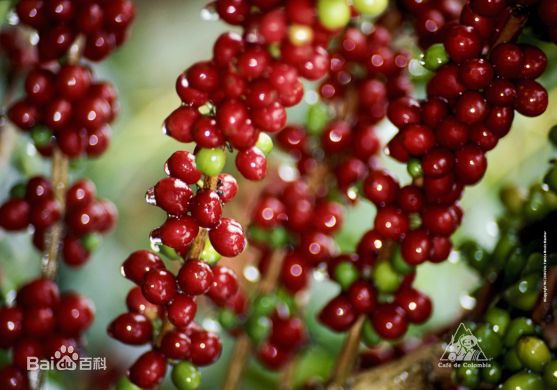
90 + Ethiopia, Wellega (Waliga) and Sidama (Hidamo) producing areas
Ninety Plus Nekisse N2 L12 Ethiopia, amazing peach flavor! June Ma / November 20, 2013 Nekisse N2 L12 Ethiopia Nekisse N2 Taste Profile Nekisse N2 Taste Profile name: in 2009, this coffee was named after Nectar from Shakisso, meaning that this coffee looks like it came from Ethiopia.

Summary of Coffee Bean Flavor cultivation in Ethiopia
Following Cafe Review (Wechat official account vdailycom) found that Fairview Cafe opened a small shop of its own Ethiopian Coffee Overview the full name of the Federal Democratic Republic of Ethiopia (formerly known as Abyssinia) is a country in northeast Africa. English name: The Federal Democratic Republic of Ethiopia, Ethiopia is the origin of coffee

Ethiopian Coffee Culture Coffee Flavor characteristics of different producing areas in Ethiopia
Ethiopia is recognized as the birthplace of coffee, and the coffee produced is also highly respected in the boutique coffee market, and Ethiopian coffee is almost available on the menus of coffee shops around the world. But why is Ethiopian coffee so well received? How well do you know this coffee-producing country? Ethiopia's producing areas vary greatly, with each producing area, micro-producing area and even farm production.

The roasting of Yega Sidamo Coffee in English
Yirgacheffe coffee raw bean is one of the most distinctive coffee in the world, rare and expensive, produced in the highlands of Ethiopia's sidamo province (4000 feet above sea level). It is an outstanding representative of washed coffee in Africa, with unique citrus and lemon fruit aromas, jasmine aromas, moderate roasting and soft acidity, deep roasting.

Description of Coffee Flavor and aroma in Humbela Town, G1 Valley, Sidamo, Ethiopia
For the exchange of professional baristas, please follow the coffee workshop (official Wechat account cafe_style) product name: Ethiopia washed Humbela town (Ethiopia Sidamo Guji Hambella washed G1), Sidamo G1 valley district, Ethiopia (Ethiopia) producing area, Oromia Region (Oromia Region), Guji Zone (Humbera town) (Hamb)

The flavor of G1Heirloom washed by Gerajila Cooperative in Lim, Ethiopia?
Professional coffee knowledge exchange more coffee bean information please follow the coffee workshop (Wechat official account cafe_style) the Lim producing area of Ethiopia | Gerajera Cooperative washing G1Heirloom flavor? There are eight major coffee producing areas in Ethiopia: Ekempti, Limu, Illubabor, Djimma, Harrar, Teppi/Bebeka, Sidamo and Yirgachef.

Ethiopia Wonsho small Farmer Coffee introduces the coffee producing area of Guji, Ethiopia
For more information on coffee beans, please follow the Coffee Workshop (Wechat official account cafe_style). The Guji producing area of southern Ethiopia is next to the Sidamo and Gedeo districts and lies across towering mountains, highlands, highlands, valleys and plains with diverse topography. The geology of this area belongs to volcanic soil with rich nutrients and good drainage.

Introduction to the characteristics of coffee flavor description and grinding degree in Shaqiso producing area of Ethiopia
Ethiopia has unique natural conditions suitable for growing all imaginable varieties of coffee. As a highland crop, Ethiopian coffee beans are mainly grown in areas between 1, 100 and 2300 meters above sea level, roughly distributed in southern Ethiopia. Deep soil, well drained soil, weakly acidic soil, laterite and soil are soft and contain

Characteristics of Ethiopia Kafa Forest Coffee producing area description of flavor and taste of washed Sidamo G1 coffee beans
Professional coffee knowledge exchange more coffee bean information please follow the coffee workshop (Wechat official account cafe_style) Ethiopia Kafa forest coffee producing area characteristics and flavor taste? Description of washed coffee beans in Ethiopia's Kafa forest? Most of the coffee used is obtained from nearby wild forests.

What are the characteristics of the Harald coffee producing area in Ethiopia? Sub-Hara producing area of Kafa Forest, Ethiopia
Professional coffee knowledge exchange more coffee bean information please follow the coffee workshop (Wechat official account cafe_style) the characteristics of Harald coffee producing area in Ethiopia? Where is the sub-Hara producing area of the Kafa forest in Ethiopia? Geographically located south of the Tropic of Cancer (latitude 5 to 15), close to the equator, belongs to tropical and subtropical climate patterns, most areas are located in

Kochel, an African boutique manor, is located in Ethiopia, Ethiopia and washed with water.
Cochel is located in a small producing area 25 kilometers southeast of Yegashafi, Ethiopia. It is a rich area for coffee production. It is also one of the three famous and micro-producing areas of Yegashafi. It has about 100,000 local residents, and coffee beans are the main source of income. The processing and processing equipment in this area is very advanced. CoffeeReview, a well-known coffee evaluation website, gave Kocher a high rating of 94 points for washed beans.

Introduction to Grinding scale of Coffee Bean Flavor description treatment method in Shaqiso producing area of Ethiopia
The grinding scale of coffee bean flavor description method in Xachiso producing area of Ethiopia introduces that Sidamo of Ethiopia is a type of single origin, growing in Arabica coffee in Sidamo province of Ethiopia. Like coffee in most African countries, Ethiopian Sidamo is characterized by small gray beans, but characterized by its rich, spicy, wine or chocolate-like taste and floral aroma.

Introduction of coffee producing countries in Africa-introduction of coffee producing areas in Ethiopia, Kenya and Yemen
Africa is the third largest coffee producer in the world, after South America and Asia. Ethiopia, Kenya and Yemen are the main coffee products in Africa. Ethiopia is the largest Arabica producer in Africa, followed by Kenya. Yemeni coffee production, which monopolized the global coffee market before the 18th century, is declining year by year and is about to disappear from the coffee map. First of all, let's talk about